 ClassMori
Teaching articles
A class pet as a shared goal: how to start the school year
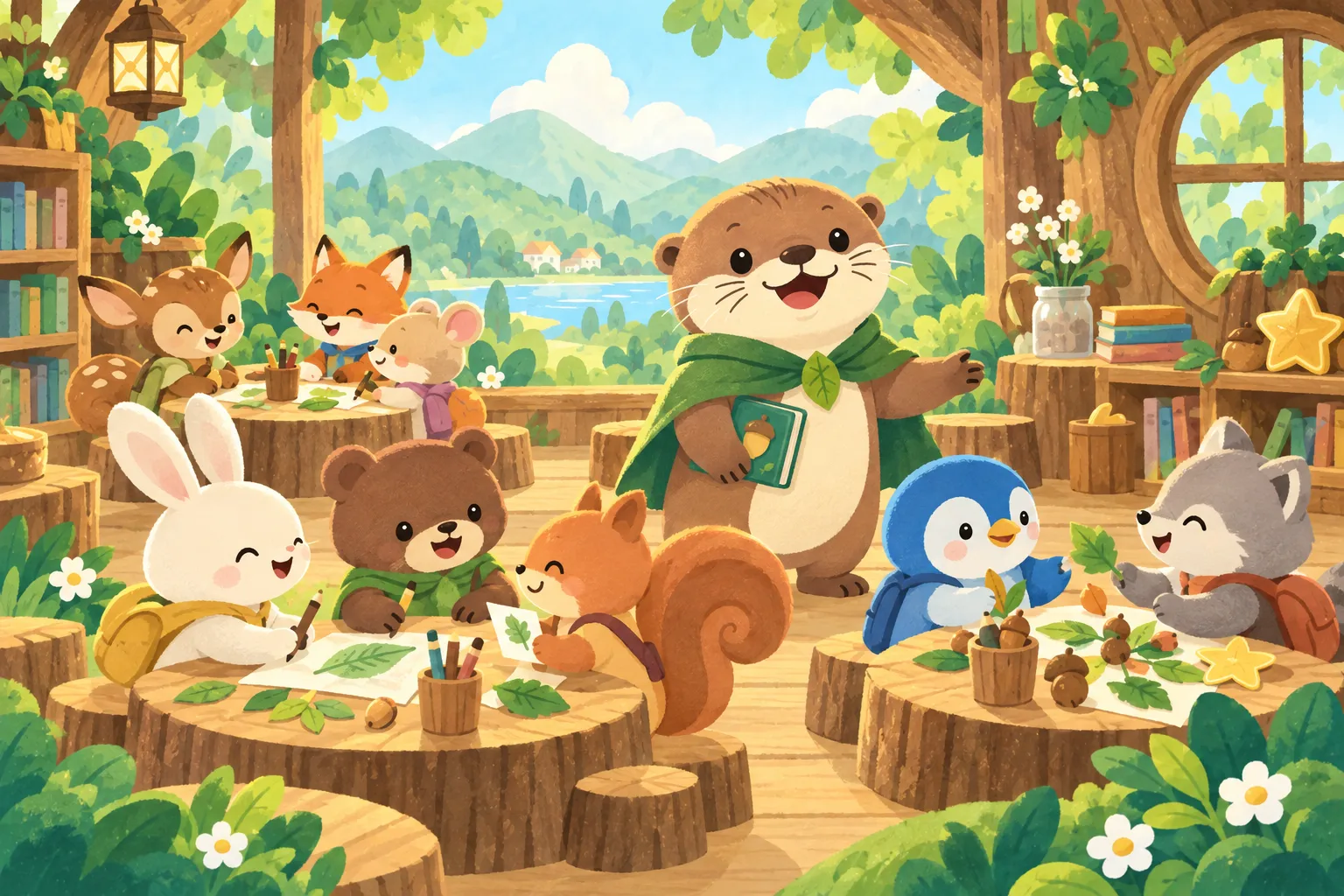
At the start of a new school year, many teachers look for a goal the whole class can work toward together. A class pet is a great fit: it has a name, it grows, and kids naturally start asking, "How's our pet doing today?"
But if you just put a pet on the projector with nothing around it, the novelty can wear off in two weeks. Here's a step-by-step plan for the new school year, from the first days all the way to a midyear check-in.
Step 1: Raise individual pets, work toward shared class goals
- A pet for every student, so everyone sees their own progress: Each child looks after their own pet and earns their own points—no one coasts, and everyone grows at their own pace.
- Shared class goals to keep team spirit strong: Connect individual growth to a whole-class mission—like “Everyone's pet hatches this week” or “Earn 100 points together as a class this week”—giving kids a reason to remind and help each other.
That way you support individual motivation without losing class unity. In the first week of school, it's easiest to start with one small goal the whole class can understand.
Step 2: Set 3–5 agreements with the class
The pet grows from students' good behavior. So before you start, talk with the class about what kinds of behavior will help the pet grow, for example:
- Turning in homework on time
- Helping a classmate or the class
- Taking turns talking in group discussions
- Lining up quietly when changing rooms
Post the agreements where everyone can see them. When the agreements come from kids' own discussion, they're more willing to keep them.
Step 3: Hold a hatching day in the first week
Every student's pet starts as an egg and needs some points before it hatches. Make “Helping everyone's pet hatch” the class's first shared goal:
- When no one is selected, the stage shows the whole class together—kids can see at a glance whose pet is still in its egg, encouraging everyone to remind each other so no one gets left behind.
- Say the specific reason every time you give points: “Everyone in group 3 spoke during the discussion, so everyone in the group gets 1 point.”
- Hold a claiming ceremony in the first week where kids take turns coming up to pick their pet by baby or mystery card—and when each one hatches, let the whole class cheer for them.
Make the first goal easy to reach, so kids experience "We did it!" in the very first week.
Step 4: Build the pet into your daily routine
The pet doesn't need to appear every lesson, but it helps to have set moments:
- At the end of morning work, take a minute to see how much the class earned yesterday.
- Before dismissal, look back at today's specific good behavior.
- Every Friday, check how far the pet is from its next form.
A steady rhythm keeps kids interested better than an occasional big surprise. You can also rotate a class helper who reports before dismissal how many points the class earned today and why, so kids name the good behavior themselves.
Step 5: Handle setbacks and free riders
Shared class goals often run into two problems:
- Someone gets a reminder or a reward is undone, and the pet goes back a level: Explain the rules in advance, and focus on "We can raise it back up together," not on blaming one child.
- Some kids figure others will do the work: Now and then, look back at individual or group contributions, but don't turn it into a public ranking. The goal is for everyone to see they have a part, not to compare.
Step 6: Check in and adjust midyear
About a month in, set aside a lesson to talk with your students:
- Which agreements have become habits? Swap them for new challenges.
- Is the pet growing at the right pace? Too fast and the anticipation fades; too slow and kids want to give up.
- Do students have new ideas, like a whole-class activity they'd like to earn with points?
Three things to keep in mind
- The pet is a tool, not the goal: What matters is always what kids did; the pet just makes it visible. When giving points, name the behavior first, then mention the pet.
- Don't use the pet as a threat: Avoid saying "If you keep talking, the pet will shrink." Once the pet becomes a symbol of punishment, kids quickly stop caring about it.
- Watch for students who rarely earn points: Class goals can make quiet kids invisible. Check your records once a week to make sure everyone has a chance to be recognized.