 ClassMori
Teaching articles
Sentence Expanding for Grades 1–4: Phrase Patterns, Conjunctions & 40 Idioms
Effective sentence expanding instruction helps elementary writers see how action words, sensory descriptors, and concrete nouns lock together without drowning young learners in abstract grammar terms. Across Grades 1 through 4, building rich phrases, stretching bare kernel clauses, linking ideas with logical conjunctions, and weaving figurative idioms into real context form the backbone of writing fluency. Below you will find 8 shape-coded syntax formulas with 60 ready-to-project phrase drills, a 4-step sentence-stretching pyramid, 12 conjunction clinic fixes, and 40 kid-friendly English idioms anchored in mini-movie context sentences.
Why Phrase-Pattern Drills Miss the Mark: 8 Shape-Coded Syntax Formulas
Ninety percent of primary phrase-building mistakes happen because students count how many words sit in a model phrase without noticing whether each slot does an action job, a sensory-describing job, or a naming job. Put *"cradling a plump watermelon"* on the board and ask for a matching phrase, and three hands will offer *"pretty red apples"*—four words, sure, yet the vivid `-ing` action verb vanished into an adjective. Turning invisible parts of speech into interlocking shape blocks lets first through fourth graders spot structural mismatches in two seconds flat.
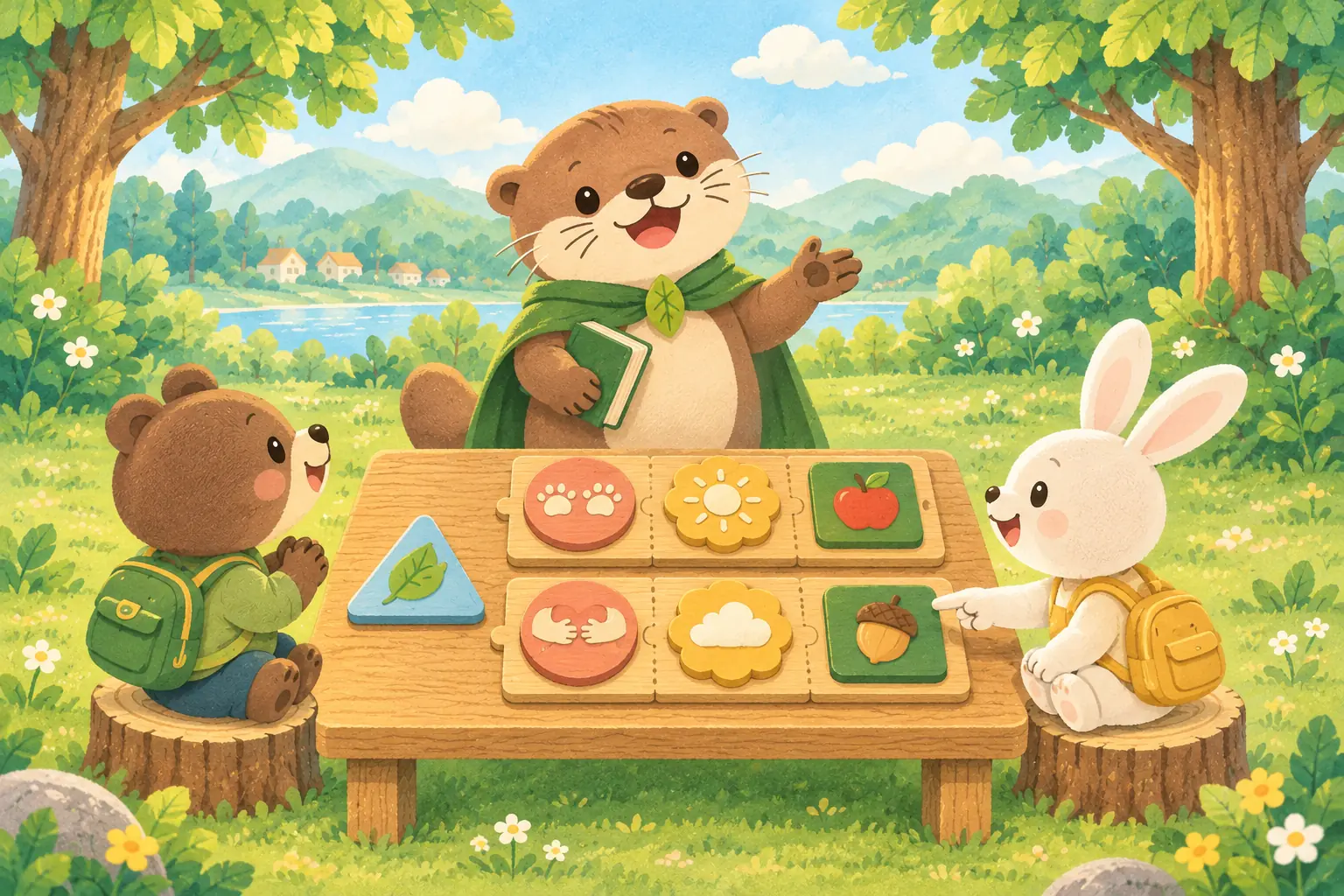
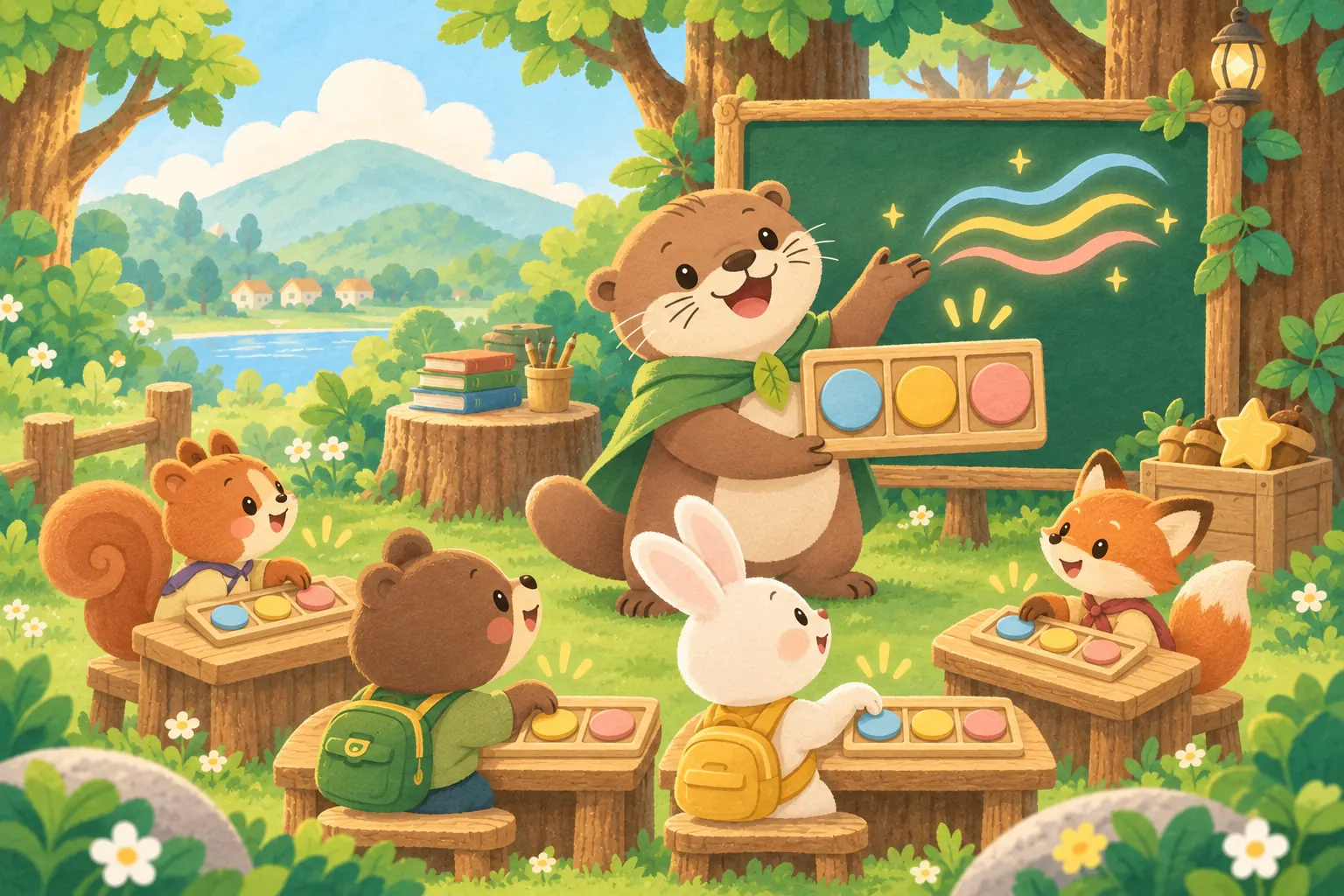
Sketch three quick icons underneath any mentor phrase on your whiteboard: a circle for *"something hands or feet can do"* (verbs), a scalloped wave for *"how something looks, sounds, or feels"* (adjectives), and a square for *"a person, creature, or object you could photograph"* (nouns). Just like the white rabbit in the diagram above—matching *"catching + shiny + red apple"* with *"hugging + fluffy + golden acorn"* while sliding the mismatched triangle aside—students immediately see when a slot won't snap together.
| Syntax Pattern Formula | Kid-Friendly Shape Cue | Mentor Phrase & Common Mix-Up | Aligned Student Upgrades |
|---|---|---|---|
| 1. Vivid Verb + Object | Circle Action + Square Thing | *Fold paper airplanes* (Mix-up: *Fast paper airplanes*) | *Scrub sticky desks*, *Sketch tiny beetles*, *Raking dry leaves* |
| 2. Sensory Adjective + Noun | Wave Feel + Square Thing | *Crisp autumn breeze* (Mix-up: *Running on the field*) | *Velvety moss carpet*, *Chiming hallway bell*, *Toasty cinnamon bread* |
| 3. Participle (`-ing`) + Object | Ongoing Action + Square Thing | *Holding a yellow umbrella* (Mix-up: *Looking very pretty*) | *Balancing a lunch tray*, *Toting a canvas bookbag*, *Peering through a hand lens* |
| 4. Paired Sensory Adjectives + Noun | Double Wave + Square Thing | *Round, juicy tangerine* (Mix-up: *Happily laughing loud*) | *Crisp, golden waffle*, *Quiet, sunlit library*, *Smooth, speckled river stone* |
| 5. `-ing` Verb + Sensory Adj + Noun | Circle + Wave + Square | *Sipping steaming chicken soup* (Mix-up: *Eat good noodles*) | *Cradling a sleepy calico kitten*, *Stepping across cool, damp sand* |
| 6. Prepositional Place + Vivid Verb | Where + Circle Action | *Beneath the oak tree, sketching* (Mix-up: *In class very quiet*) | *Along the muddy creek, searching*, *Inside the reading tent, whispering* |
| 7. Simultaneous `While` Actions | Two Actions Possible at Once | *Humming a tune while folding origami* (Mix-up: *Sleeping while sprinting*) | *Listening to rain while sketching*, *Nodding warmly while taking notes* |
| 8. `Both [Adj] and [Adj] [Noun]` | Two Compatible Qualities + Thing | *Both sturdy and lightweight backpack* (Mix-up: *Both tiny and giant whale*) | *Both tart and refreshing lemonade*, *Both calm and clear instructions* |
Pull two items a day for five-minute morning work or project a section before writing workshop using these 60 pattern-aligned phrase models (each mentor phrase is followed by two parallel classroom examples):
Group 1: Vivid Action Verb + Concrete Noun (Items 1–7)
1. Organize backpacks -> Wipe down whiteboards / Trim stray branches
2. Share tangerine slices -> Borrow mystery books / Return playground basketballs
3. Observe garden beetles -> Mist bean sprouts / Chart afternoon clouds
4. Play soprano recorders -> Tap steady rhythms / Hum quiet melodies
5. Follow lab safety rules -> Handle microscopes gently / Encourage teammates
6. Scoop fallen pinecones -> Double-knot loose shoelaces / Stack wooden stools
7. Unlatch classroom windows -> Draw sunny curtains / Dim overhead lights

Group 2: Sensory Adjective + Concrete Noun (Items 8–15)
8. Golden morning sunlight -> Brisk October wind / Silvery moonlight
9. Crisp handbell chime -> Thunderous gym applause / Steady clock tick
10. Straight hallway line -> Spotless art table / Airy corner classroom
11. Gripping adventure novel -> Heartwarming animal film / Nail-biting relay race
12. Plump sunflower seeds -> Dewy green shoots / Vibrant paper lanterns
13. Welcoming front-door smile -> Calm reassuring voice / Focused lab expression
14. Fresh-baked sourdough loaf -> Chilled watermelon wedge / Tangy lemon squeeze
15. Wide grassy outfield -> Winding cedar trail / Babbling mountain brook

Group 3: Ongoing `-ing` Action + Noun Phrase (Items 16–22)
16. Tilting a striped umbrella -> Tying a sun hat / Zipping a fleece jacket
17. Cradling a warm mug -> Balancing a cafeteria tray / Carrying a canvas tote
18. Scanning the cloudy horizon -> Checking the schedule board / Watching the baton pass
19. Guiding a kindergartner's hand -> Gripping the stair rail / Sharpening a cedar pencil
20. Drifting cinnamon steam -> Twinkling porch lanterns / Buzzing beehive energy
21. Listening to evening crickets -> Facing the sea breeze / Splashing shallow ripples
22. Focusing a magnifying glass -> Raising the team banner / Waving checkered flags

Group 4: Paired Sensory Adjectives + Noun (Items 23–30)
23. Plump, striped watermelon -> Crisp, ruby apple / Sweet, seedless clementine
24. Fluffy, sunlit cumulus clouds -> Cozy, quilted blanket / Feather-light dandelion fluff
25. Heavy, overstuffed backpack -> Rough, mossy boulder / Slippery lavender soap bar
26. Lush, emerald meadow -> Towering, golden sunflowers / Misty, silver harbor fog
27. Spotless, organized desk -> Neatly labeled cubbies / Sparkling classroom windows
28. Cheerful, gap-toothed grin -> Peaceful afternoon ride / Lively family taco night
29. Twisting, root-lined footpath -> Steep, rocky hillside / Tiny, Tide-pool pebbles
30. Hurried hallway footsteps -> Unhurried Sunday stroll / Hushed library reading rug
Group 5: Ongoing `-ing` Verb + Sensory Adjective + Noun (Items 31–38)
31. Slurping steaming noodle broth -> Savouring frosty berry sorbet / Biting warm roasted corn
32. Hugging a velvety plush bear -> Wrapping a fleecy plaid throw / Hauling a sloshing water bucket
33. Spotting glittering winter stars -> Stepping onto cool, wet sand / Breathing sweet lilac blossoms
34. Flashing an encouraging smile -> Widening curious brown eyes / Stretching ink-stained fingers
35. Bracing against chilly gusts -> Walking through gentle spring mist / Basking in mild winter sun
36. Hoisting a bulging daypack -> Braiding damp ponytail strands / Lacing clean canvas sneakers
37. Following a mossy forest trail -> Crossing a shallow pebble stream / Ducking under low pine boughs
38. Sorting a cluttered supply drawer -> Polishing smudged glass panes / Stacking scattered wooden blocks

Group 6: Prepositional Place Phrase + Vivid Verb (Items 39–45)
39. Across the dewy soccer field, sprinting -> Down the tiled hallway, tiptoeing / Along the red track, stretching
40. Inside the cozy book nook, reading -> On the wooden risers, harmonizing / Around the lab table, measuring
41. Under the shady maple, sketching -> Beside the stone fountain, chatting / Inside the sandbox, tunneling
42. Inside the homework planner, initialing -> Across wide-ruled paper, drafting / Around poster borders, shading
43. Out on the sunny porch, sweeping -> Beside the kitchen sink, rinsing berries / On the living-room rug, folding laundry
44. Atop a floating lily pad, croaking -> Among purple clover, foraging / Between swaying branches, leaping
45. Near the front bus seat, offering -> Behind the checkout line, waiting patiently / At the painted crosswalk, pausing

Group 7: Simultaneous `While` Action Clauses (Items 46–52)
46. Humming softly while shading a map -> Reading the recipe card while kneading dough / Strolling slowly while trading riddles
47. Clapping on the beat while singing -> Nodding thoughtfully while listening / Wiping sweat while catching breath
48. Peeling sweet oranges while watching clouds -> Sipping warm cocoa while playing chess / Sketching leaves while sitting on a log
49. Jotting margin notes while listening -> Highlighting key clues while rereading / Sounding out syllables while spelling
50. Raking oak leaves while bagging twigs -> Rinsing soapy plates while stacking bowls / Folding clean shirts while sorting socks
51. Counting early stars while feeling the breeze -> Following fireflies while walking home / Watching sunset colors while snapping photos
52. Wagging a bushy tail while trotting -> Flapping fledgling wings while hopping / Turning a pinecone while nibbling seeds

Group 8: `Both... and...` & Precise Adverbial Openers (Items 53–60)
53. Both fragrant and juicy Georgia peach -> Both airy and spongy lemon cake / Both crunchy and sweet snap peas
54. Both bright and round harvest moon -> Both slender and flexible willow branch / Both tall and sturdy Douglas fir
55. Both damp and hungry stray kitten -> Both tired and thirsty trail hiker / Both eager and nervous stage announcer
56. Both brisk and steady marching pace -> Both gentle and clear lullaby / Both warm and focused desk lamp
57. Tiny, crystal-clear morning raindrops -> Wispy, cotton-white afternoon clouds / Crisp, amber-gold October maple leaves
58. Ripples of contagious belly laughter -> Swells of foamy ocean surf / Whiffs of warm rosemary bread
59. Quietly leaning in as the storyteller whispered -> Carefully watching ants carry a crumb / Gently setting the ladybug onto a leaf
60. Joyfully bursting through the finish tape -> Steadily carrying two full soup bowls / Politely thanking the visiting firefighter
From "Birds Sing" to 25 Vivid Words: The 4-Step Sentence Expanding Ladder
When student journals fill up with three-word flatliners—*"I felt happy," "My sister cried," "Birds sing"*—handing them a 4-step sentence-stretching pyramid that asks just one concrete question per rung builds 25-word imagery without overwhelm. In an experimental study with Grade 2 writers, Tavsanli et al. (2026) demonstrated that explicitly modeling how to combine and embed time, place, and descriptive modifiers into kernel clauses significantly boosted both syntactic maturity and overall story quality.
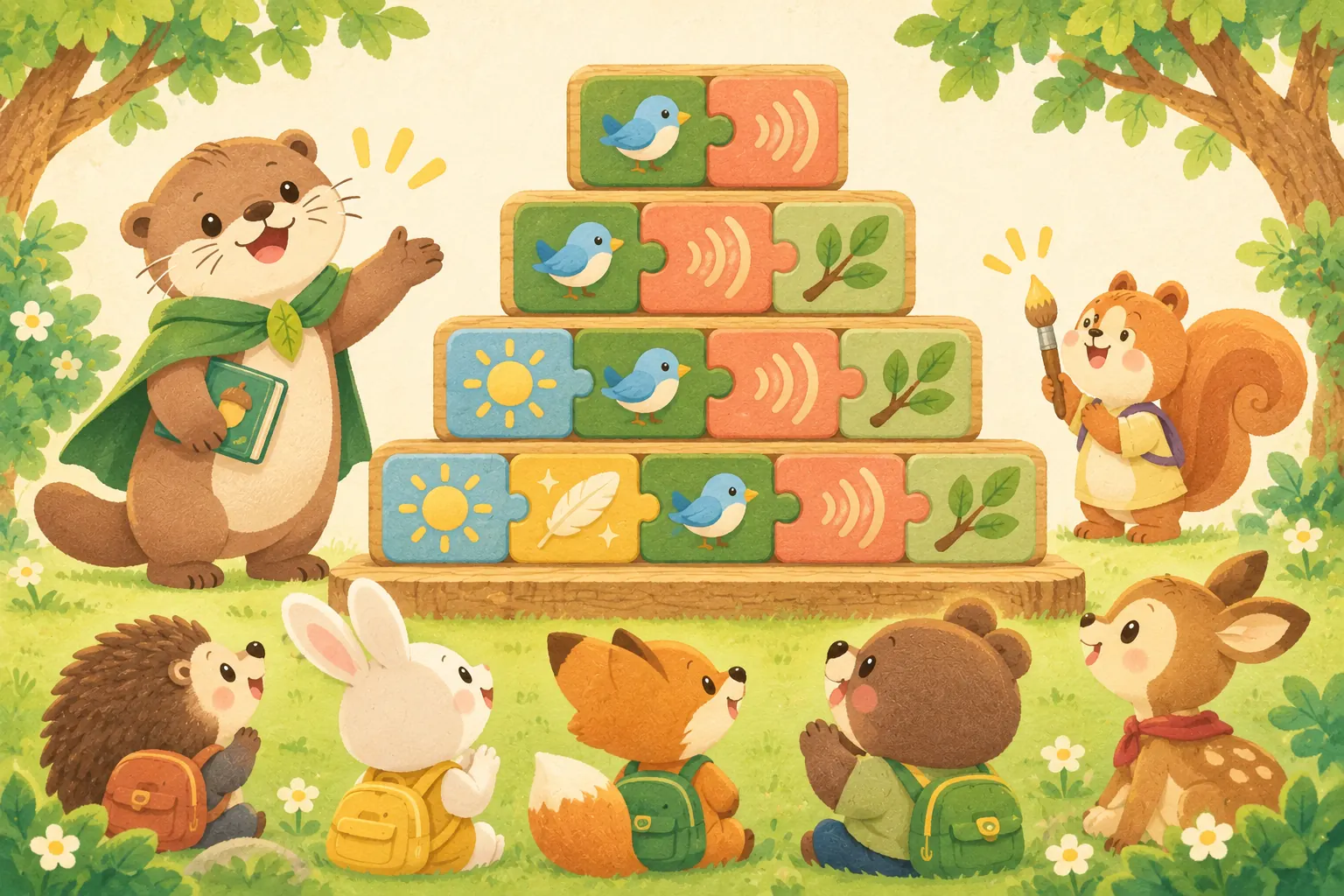
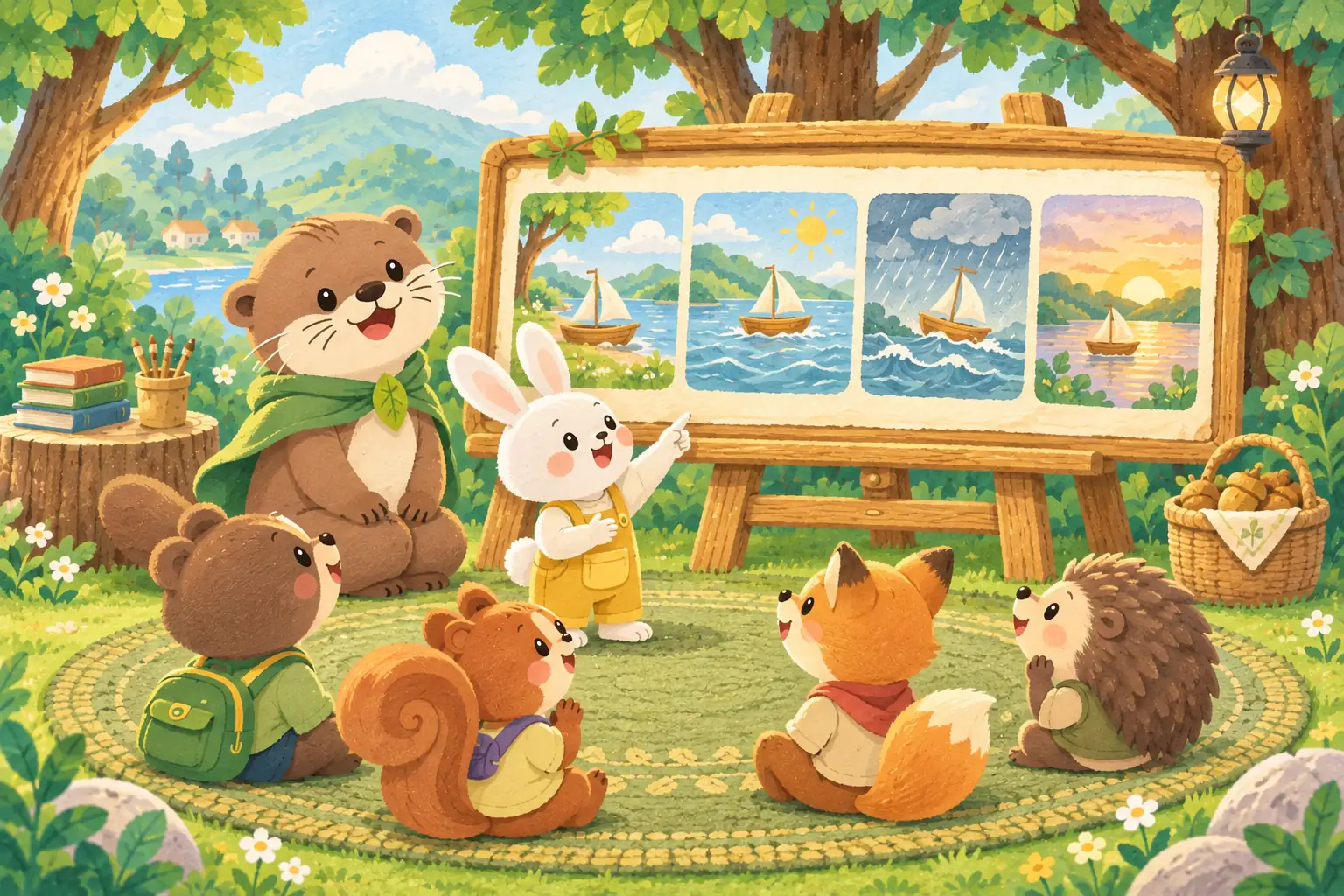
Trace the four tiers of the pyramid above right on your easel. Start at the peak with the two-word kernel "Bluebirds sing." Ask the rug for a green Where block on Tier 2 (*"on dewy pine branches"*), clip a sky-blue When & Weather opener onto the front of Tier 3 (*"In crisp April sunlight,"*), and finish on Tier 4 with a golden How or Simile detail (*"perch on dewy pine branches and whistle like tiny piccolos"*). Primary teachers can plug this exact four-rung ladder into picture writing prompts and 4-panel comics to flesh out single-sentence captions, while Grades 3–6 writers use it to power the five-sense zooms in our elementary narrative writing prompts guide.
| Tier 1: Bare Kernel | Tier 2: Add WHERE | Tier 3: Add WHEN & Weather | Tier 4: Add HOW, Action Detail, or Simile |
|---|---|---|---|
| *Bluebirds sing.* | *Bluebirds sing on pine branches.* | *In crisp morning sunlight, bluebirds sing on green pine branches.* | *In crisp morning sunlight, bluebirds perch on green pine branches and whistle cheerfully like tiny flutists.* |
| *Leo sprinted.* | *Leo sprinted down the red track.* | *Into the cool afternoon breeze, Leo sprinted down the wide red track.* | *Into the cool afternoon breeze, Leo pumped his elbows down the wide red track while sweat glistened on his temples.* |
| *Maya sipped soup.* | *Maya sipped corn chowder at the kitchen table.* | *On a rainy November evening, Maya sipped corn chowder at the kitchen table.* | *On a rainy November evening, Maya cupped her warm mug with both hands at the kitchen table and sipped creamy corn chowder.* |
| *Helpers wiped windows.* | *Helpers wiped classroom windows along the hallway.* | *During Friday afternoon cleanup, helpers wiped classroom windows along the hallway.* | *During Friday afternoon cleanup, helpers stretched on tiptoe with damp microfiber cloths until the hallway windows shone like mirrors.* |
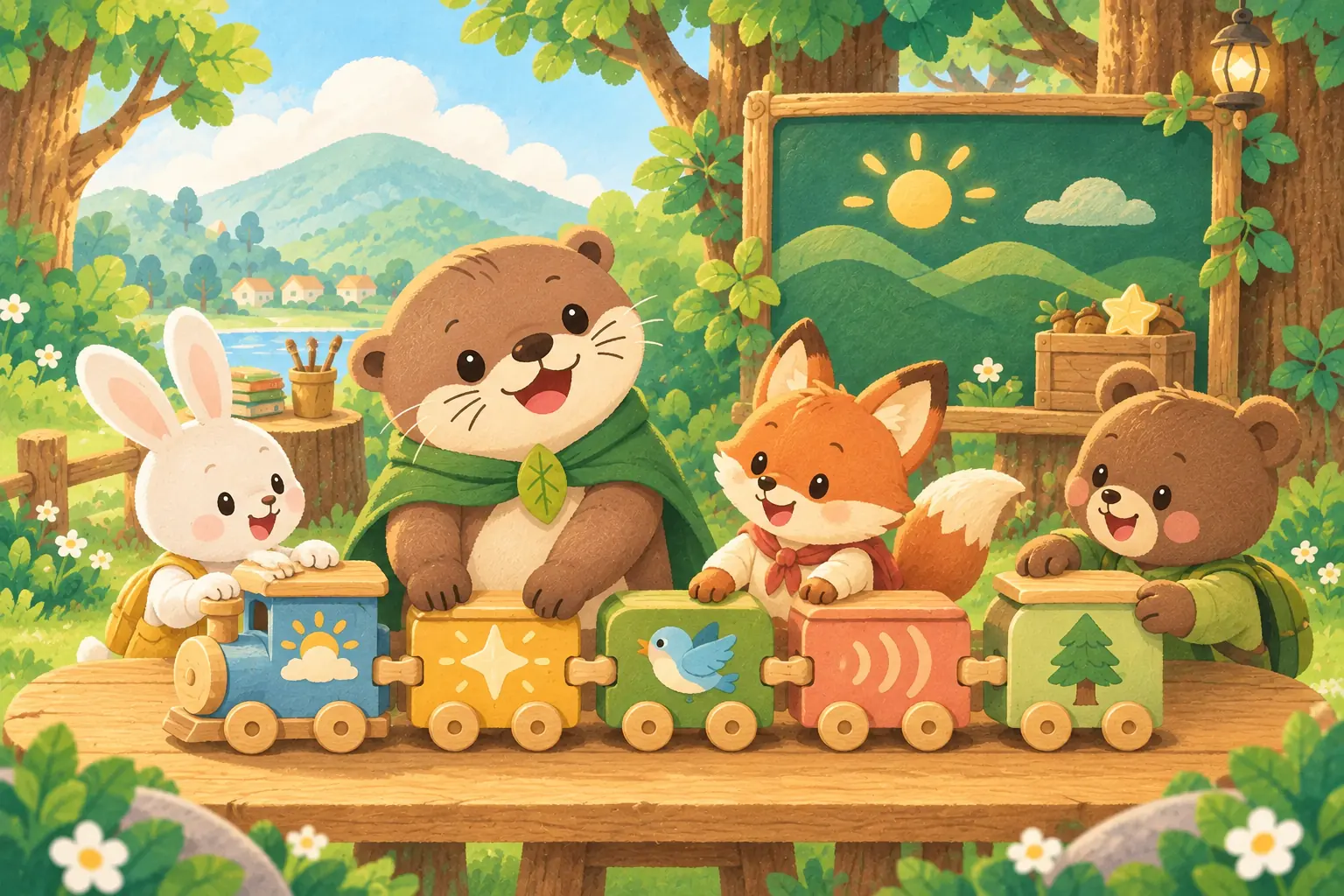
4-Car Sentence-Stretching Train (Grades 1–4)

Model Kernel: A frog jumped.
- Car 1 (Who + Action): A green frog leaped into the water.
- Car 2 (+ Where): A green frog leaped off a round lily pad into the pond.
- Car 3 (+ When & Sky): On a warm July dusk, a green frog leaped off a round lily pad into the still pond.
- Car 4 (+ Sound & Simile): On a warm July dusk, a green frog kicked its back legs and plopped off a round lily pad, sending silver ripples across the pond like nested hula hoops.

Your Turn — Pick 2 kernels and add one train car per line:
1. A puppy slept. -> (+ Where) -> (+ Time/Weather) -> (+ Posture or breathing sound)
2. Dad sliced apples. -> (+ Where) -> (+ Time of day) -> (+ Color, crunch, or aroma)
3. Classmates clapped. -> (+ Event/Place) -> (+ Exact moment) -> (+ Faces & volume)
4. Butterflies drifted. -> (+ Garden spot) -> (+ Season/Light) -> (+ Wing colors & simile)
Moving Past "And Then": 12 Conjunction Patterns and Student Logic Fixes
Between late Grade 2 and Grade 4, students start experimenting with subordinating and correlative conjunctions—and promptly trip over perfectly spelled connectors glued onto warring clauses. Putting authentic student logic tangles side by side with clear revisions teaches far more than copying conjunction definitions ten times. When a second grader writes *"Although today is Saturday, Mom took us to the zoo,"* there is zero unexpected contrast; when a fourth grader writes *"She not only cooked a three-course dinner, but also rinsed the rice,"* the escalation runs backward!
| Conjunction Frame | Logic Job & Grade Band | Real Student Logic Tangle | Quick Diagnosis & Smooth Classroom Revision |
|---|---|---|---|
| 1. As soon as..., ... | Immediate sequence (Gr. 1–3) | *As soon as I finished tonight's math, I went to soccer next Tuesday.* | Both actions happen back-to-back. Fix: *As soon as the recess bell chimed, four friends grabbed jump ropes and headed outside.* |
| 2. First..., next..., finally... | Step-by-step order (Gr. 1–3) | *First dry your hands, next rub soap, and finally turn on the tap.* | Chronological order matters. Fix: *First dampen the paper towel, next tuck three bean seeds inside, and finally tape the baggie to a sunny window.* |
| 3. While..., ... | Simultaneous actions (Gr. 2–4) | *While Noah napped in his bedroom, he rode his bike to the library.* | Must be physically doable at the same time. Fix: *While Grandma listened to jazz on the radio, she stitched the loose button back onto my coat.* |
| 4. Both... and... | Paired compatible traits (Gr. 2–4) | *This green peach is both sweet and completely unripe.* | Traits cannot contradict each other. Fix: *Turning cereal boxes into magazine holders keeps desks both tidy and eco-friendly.* |
| 5. Not only..., but also... | Building escalation (Gr. 3–5) | *Clara not only won the district spelling bee, but also knows the alphabet.* | Put the baseline first and the bigger feat second. Fix: *Our class librarian not only shelved every returned book, but also repaired three torn covers.* |
| 6. Although / Even though... | Unexpected contrast (Gr. 2–5) | *Although the math puzzle was super easy, I solved it quickly.* | Needs a genuine twist or obstacle. Fix: *Although our baton dropped on curve two, nobody pointed fingers and our anchor runner still surged to the line.* |
| 7. Because..., ... | True cause -> effect (Gr. 1–3) | *Because the sidewalk is wet, rain fell earlier this morning.* | Wet pavement didn't cause rain! Fix: *Because steady rain fell before sunrise, puddles sparkled all along the school crosswalk.* |
| 8. Since..., ... | Shared fact -> decision (Gr. 3–5) | *Since you haven't picked a topic yet, our poster is already finished.* | Premise must be settled first. Fix: *Since our table voted unanimously on sea otters, let's divide up habitat, diet, and illustrations.* |
| 9. If..., (then)... | Realistic condition (Gr. 2–4) | *If it rains tomorrow morning, yesterday's assembly moved indoors.* | Keep time frames consistent. Fix: *If thunder rumbles during fifth period, outdoor PE will shift into the gymnasium.* |
| 10. As long as..., ... | Sufficient habit (Gr. 3–5) | *As long as I drink water once today, I will ace every test all year.* | Link realistic cause and outcome. Fix: *As long as we pack backpacks for five minutes after dinner, mornings stay calm and unhurried.* |
| 11. Unless..., ... | Essential condition (Gr. 3–6) | *Unless it is Wednesday, nobody knows my name at school.* | Highlights what prevents or enables an outcome. Fix: *Unless our lab group labels all three plant cups clearly, we won't know which soil mix sprouted fastest.* |
| 12. No matter how..., ... | Steady grit despite change (Gr. 4–6) | *No matter how sunny the sky gets, Leo wears rain boots to get soaked.* | Pair shifting difficulty with steady character action. Fix: *No matter how chilly January mornings get, our crossing guard greets every walker with a warm wave.* |
10-Minute Conjunction Clinic

Part A — Choose the Best Connector Frame:
(Although... | Not only... but also... | As soon as... | As long as...)
1. ____________ the fire station alarm sounded, the crew slid into turnout gear and rolled out the bay doors.
2. This field guide ____________ shows life-size beetle photos, ____________ maps which months each species appears.
3. ____________ our sunflower sprout grew slower than the others, its thick stem stood sturdiest in the wind.
4. ____________ everyone caps glue sticks until they click, the next art table will have fresh supplies ready.

Part B — Sentence Doctor (Spot the logic tangle and rewrite smoothly):
5. Tangled: Because the blacktop has puddles, it rained last night.
   Hint: Flip cause and effect, or write "The blacktop has puddles because..."
6. Tangled: Zoe brushed her teeth while taking a big bite of peanut-butter toast.
   Hint: Can both happen together? Switch to "First..., then..."
7. Tangled: Even though the spring breeze felt warm and sunny, our class sketched happily outside.
   Hint: No surprise contrast! Use "Because..." or change the second half to an unexpected challenge.
8. Tangled: Sam not only scored the winning goal in overtime, but also tied his cleats.
   Hint: Put the smaller everyday action first and the exciting highlight second!
Ditching Tack-On Clichés: 40 Elementary Idioms in Mini-Movie Context
Teach idioms from flashcard lists alone and third graders will hand you "tack-on ending syndrome": *"Today was an over the moon day," "That book was a piece of cake," "Everyone was in the same boat, yay!"* As Zipke (2008) noted in research on metalinguistic awareness, elementary learners grasp figurative expressions deeply when they contrast literal word pictures with real situational context. Enforce one playful classroom rule—roll a 15-word mini-movie before the idiom walks onstage—so the character's specific predicament proves the idiom's meaning before the phrase ever appears.
| High-Utility Idiom | Common Tack-On or Misused Draft | Why It Sounds Off | Revised With a "15-Word Mini-Movie" Context |
|---|---|---|---|
| over the moon | *Today was a super over the moon Friday!* | Describes a person's delighted reaction to specific good news, not a day of the week | *When Ms. Rivera announced our class earned an extra Friday afternoon makerspace hour, everyone was over the moon.* |
| butterflies in my stomach | *I ate lunch fast so I got butterflies in my stomach.* | Means nervous anticipation before an event, not indigestion from eating fast | *Waiting backstage with my poem memorized and thirty parents watching, I felt butterflies fluttering in my stomach.* |
| piece of cake | *Mom baked a chocolate birthday pie that was a piece of cake.* | Figuratively means an effortless task; using it on literal dessert blurs the idiom | *After practicing ten-frame pairs all week, solving Friday's mental-math warm-up felt like a piece of cake.* |
| throw in the towel | *After swimming class, Leo threw in the towel into his gym bag.* | Means quitting partway through a tough challenge, not tossing laundry | *Even when our cardboard bridge sagged on test one, nobody wanted to throw in the towel before trying folded triangle braces.* |
| spill the beans | *Careful carrying your chili tray or you will spill the beans!* | Idiomatically means blurting out a surprise secret ahead of time | *We hid Ms. Patel's giant thank-you poster behind the easel and promised not to spill the beans before morning meeting.* |
Anchoring figurative language inside real memories works wonders during seasonal writing projects too—for instance, pairing genuine moments of teacher patience in our Teacher Appreciation card writing lesson helps upper-elementary kids write heartfelt notes instead of stiff clichés. Copy five idioms a week onto your word wall from these 40 classroom-tested English idioms, grouped into four kid-friendly themes:
Group 1: Big Feelings, Jitters & Relief (Idioms 1–10)
01. over the moon (thrilled and delighted): When Dad held up three tickets to Saturday's planetarium show, Maya was over the moon and grabbed her star chart.
02. grin from ear to ear (smile widely with pride or joy): Spotting his missing lucky eraser tucked inside his pencil pouch, Leo breathed out and grinned from ear to ear.
03. down in the dumps (feeling discouraged or gloomy): After rain canceled our outdoor kickball tournament, Sam sat down in the dumps until indoor four-square started up.
04. butterflies in my stomach (nervous excitement beforehand): Stepping up to the microphone for my very first spelling-bee round gave me butterflies in my stomach.
05. keep your cool (stay calm during a stressful surprise): When a harmless June bug flew through the open classroom window, Mr. Brooks kept his cool and gently cupped it under a paper cup.
06. chomping at the bit (eagerly impatient to get started): With library cards ready in hand before the bell even finished ringing, our row was chomping at the bit to browse the new graphic novels.
07. on cloud nine (floating with happiness after an achievement): Watching the bean seed she watered for three weeks sprout its first pod left Zoe on cloud nine all afternoon.
08. beside myself (overwhelmed with worry or excitement): When my water bottle vanished after the museum trip, I felt beside myself until the bus driver held it up at school.
09. jaw dropped (stunned speechless by a surprise): When the visiting science educator inflated a ten-foot solar bag using only sunlight, every first grader's jaw dropped.
10. weight off my shoulders (instant relief after finishing or confessing something): Delivering my history diorama safely onto the back display table without crushing a single tree felt like a huge weight off my shoulders.

Group 2: Focus, Curiosity & Perseverance (Idioms 11–20)
11. all ears (listening with complete attention): The second our guest librarian pulled a locked wooden sea chest out of her tote bag, twenty-six second graders were all ears.
12. put on our thinking caps (brainstorm carefully to solve a puzzle): Faced with building a paper tower that could hold a hardcover dictionary, our group put on our thinking caps and tested rolled cylinders.
13. glued to the page (completely absorbed in reading): During quiet independent reading after lunch, Noah stayed so glued to his mystery chapter book that he barely heard the five-minute chime.
14. clicked into place (suddenly made complete sense): Once our teacher slid two yellow acorns across the ten-frame to fill ten, regrouping finally clicked into place for me.
15. laser-focused (concentrating without getting distracted): Even with lawnmowers humming outside the window, Mia stayed laser-focused as she inked the tiny map key on her poster.
16. throw in the towel (give up halfway through a hard effort): Learning double-dutch jump rope takes mistimed hops at first, so don't throw in the towel after just two tries.
17. stick with it (keep practicing steadily over time): Grandpa walks two brisk miles around the park every single morning, proving what happens when you stick with it rain or shine.
18. rack our brains (think hard to recall or invent an idea): Trying to invent a rhyming team chant for Field Day, our four tablemates racked our brains until two funny lines clicked.
19. hit the nail on the head (identify the exact right answer or reason): When Ruby guessed that trapped warm air made our foil boat float higher, our science teacher smiled and said she hit the nail on the head.
20. back to the drawing board (redesign calmly after a failed test): When our paper airplane nose-dived straight under a desk, we laughed and went back to the drawing board to fold wider wings.
Group 3: Teamwork, Kindness & Fair Play (Idioms 21–30)
21. all hands on deck (everyone pitching in together): With five minutes left to clear glitter, scraps, and paint cups before dismissal, it was all hands on deck across every table.
22. lend a hand (offer practical help right away): Seeing a first grader drop a stack of library picture books in the hall, two fourth graders crouched down to lend a hand.
23. in the same boat (facing the exact same challenge together): Nobody in our cabin had ever paddled a canoe before outdoor-ed camp, so we laughed knowing we were all in the same boat.
24. walk in someone else's shoes (imagine how another person feels): Before teasing a classmate who mispronounced a new word, pause and walk in someone else's shoes learning a brand-new language.
25. one step at a time (tackle a big job gradually in manageable pieces): Memorizing thirty-six multiplication facts feels daunting on Monday, yet taking one step at a time makes Friday feel easy.
26. shipshape (cleaned and organized neatly): Every Friday afternoon our supply captains sort markers, stack clipboards, and leave the math shelf looking shipshape.
27. take it in stride (handle a minor bump calmly without fuss): When the projector bulb flickered out mid-slide, Ms. Lin took it in stride and sketched the diagram right on the chalkboard.
28. see eye to eye (agree after talking something through): At first our partners disagreed on whether to research sharks or octopuses, until we compromised on coral reefs and saw eye to eye.
29. two birds with one stone (solve two needs with one smart action): Saving rinsed yogurt cups for art-room paint water cuts plastic waste and stocks supplies—solving two needs with one smart habit!
30. keep your word (follow through reliably on a promise): Once you promise your group you will bring shoeboxes Wednesday morning, pack them Tuesday night so you always keep your word.

Group 4: Weather, Sound & Vivid Classroom Scenes (Idioms 31–40)
31. right as rain (feeling healthy, rested, and back to normal): After resting home with a scratchy throat on Tuesday, Ben bounced back Wednesday morning feeling right as rain.
32. raining cats and dogs (pouring remarkably heavy rain): Halfway through sixth period the sky darkened and started raining cats and dogs against the courtyard windows.
33. packed like sardines (crowded closely together in a small space): Waiting under the narrow awning for the afternoon shuttle bus, thirty kids stood giggling, packed like sardines out of the drizzle.
34. hear a pin drop (completely silent with suspense): Right before the principal read the winning Read-a-Thon homeroom over the intercom, our room grew so hushed you could hear a pin drop.
35. every color of the rainbow (brightly multicolored): By the end of watercolor day, drying racks along the sunny windowsill glowed with every color of the rainbow.
36. hustle and bustle (cheerful, busy movement all around): Saturday morning farmers' markets hum with the friendly hustle and bustle of bakers, flower stalls, and families carrying canvas totes.
37. good as new (repaired or cleaned so well it looks fresh): After Dad glued the loose wooden chair rung and wiped away the scuff marks, our reading stool looked good as new.
38. vanish into thin air (disappear suddenly without a trace): Set an uncapped black whiteboard marker down for ten seconds during group work and it seems to vanish into thin air!
39. time flies (minutes pass quickly when absorbed in fun work): Building marble roller-coaster loops with masking tape kept everyone so absorbed—it really is true that time flies when you are inventing.
40. breath of fresh air (a welcome, energizing change of pace): Stepping outside to sketch oak bark on clipboards after three rainy days indoors felt like a literal and figurative breath of fresh air.
10-Minute Collaborative Sentence Games and Peer Word-Swap Clinics
Instead of assigning silent, solitary sentence-copying sheets during the last ten minutes of ELA, pair desk partners or four-desk rows for "4-Pass Sentence Trains" and "Ban-the-Word-Happy Clinics" where stronger vocabularies model lively verbs and hesitant writers borrow immediate scaffolds. Studying fourth-grade peer-assisted sentence combining, Saddler and Graham (2005) found that pairing students to negotiate, merge, and revise kernel sentences improved syntactic fluency for both struggling and more skilled young writers alike.
| 10-Minute Classroom Game | Best Grades | Zero-Prep Rules | Writing Habit It Fixes |
|---|---|---|---|
| 1. 4-Pass Sentence Train | Grades 1–3 | Pass 1 strip of lined paper down a 4-seat row: Seat 1 writes *When/Weather*, Seat 2 writes *Who*, Seat 3 writes *Where*, Seat 4 adds *Vivid Action + Simile* and reads aloud | Cures blank-page freeze and builds all 4 expanding tiers naturally |
| 2. "Ban the Word Happy" Clinic | Grades 2–4 | Write *"On our field trip, I was very happy"* on the board; tables get 2 minutes to swap *"very happy"* for a physical action or idiom with zero duplicates | Retires tired adjectives (*happy, nice, fun, mad*) across whole drafts |
| 3. Idiom Mini-Movie Charades | Grades 3–6 | Each group draws 1 idiom from the bank, writes ONLY the 15-word setup scene with a blank at the end, and reads it aloud for rival tables to guess the missing idiom | Forces authentic context clues instead of tacked-on cliché endings |
Run "Ban the Word Happy" once and watch your whiteboard come alive: Table 1 rewrites *"I was very happy"* into *"I did two Victory hops on the grass,"* Table 2 offers *"I grinned until my cheeks ached,"* and Table 3 drops in *"Our whole bus row was over the moon."* Leaving all five student versions side by side on the board proves better than any worksheet how many vivid ways one feeling can dress up on the page.
FAQ
How do I help primary students tell verbs and adjectives apart without heavy grammar terminology?
Swap abstract labels like "transitive verb" or "modifier" for three physical test questions in Grades 1–3. For action words, ask "Can your hands or feet act it out right now?" (scooping, chasing). For describing words, ask "How does it look, sound, or feel to touch?" (crispy, velvety). For nouns, ask "Can you picture it or tuck it inside a box?" (pinecone, umbrella). Matching block shapes first cuts part-of-speech mix-ups dramatically.
How can I guide young writers to stretch a bare three-word sentence into 25 vivid words?
Add just one question block at a time on a 4-step sentence-expanding pyramid. Step 1 starts with the kernel ("Bluebirds sing"). Step 2 adds where ("Bluebirds sing on pine branches"). Step 3 adds when and weather ("In crisp morning sunlight, bluebirds sing on green pine branches"). Step 4 adds how or a simile ("In crisp morning sunlight, bluebirds perch on green pine branches and sing like tiny flutists").
Why do elementary students write illogical sentences with "although" and "not only... but also"?
Two logic traps cause most errors: missing contrast and backwards escalation. Students write "Although it was sunny, we played outside," using a contrast word where no surprise exists—revise to "Although light rain drizzled, our team still finished relay practice." With "not only... but also," coach writers to put the smaller everyday action first and the bigger surprise second so the sentence builds momentum.
How do I stop students from writing empty idiom sentences like "Today was an over the moon day"?
Establish the "15-word mini-movie rule" before any idiom appears: students must first show a concrete event and physical reaction (for example, opening the science fair envelope and seeing first-place ribbons) before landing the idiom naturally ("our lab group was over the moon"). Retire generic "It was a..." sentence frames so context proves the meaning.
Sources
- The effect of sentence combining instruction with grade 2 studentsReading and Writing2026
- The Effects of Peer-Assisted Sentence-Combining Instruction on the Writing Performance of More and Less Skilled Young WritersJournal of Educational Psychology2005
- A meta-analysis of writing instruction for students in the elementary gradesJournal of Educational Psychology2012
- Teaching Metalinguistic Awareness and Reading Comprehension With RiddlesThe Reading Teacher2008